
Trekking from Kumbakarai Falls to Kodaikanal: A Journey Through Memory, Mountains, and Time
This blog post chronicles a 2-day trek from Kumbakarai Falls to Kodaikanal, in the Western Ghats, Tamil Nadu.
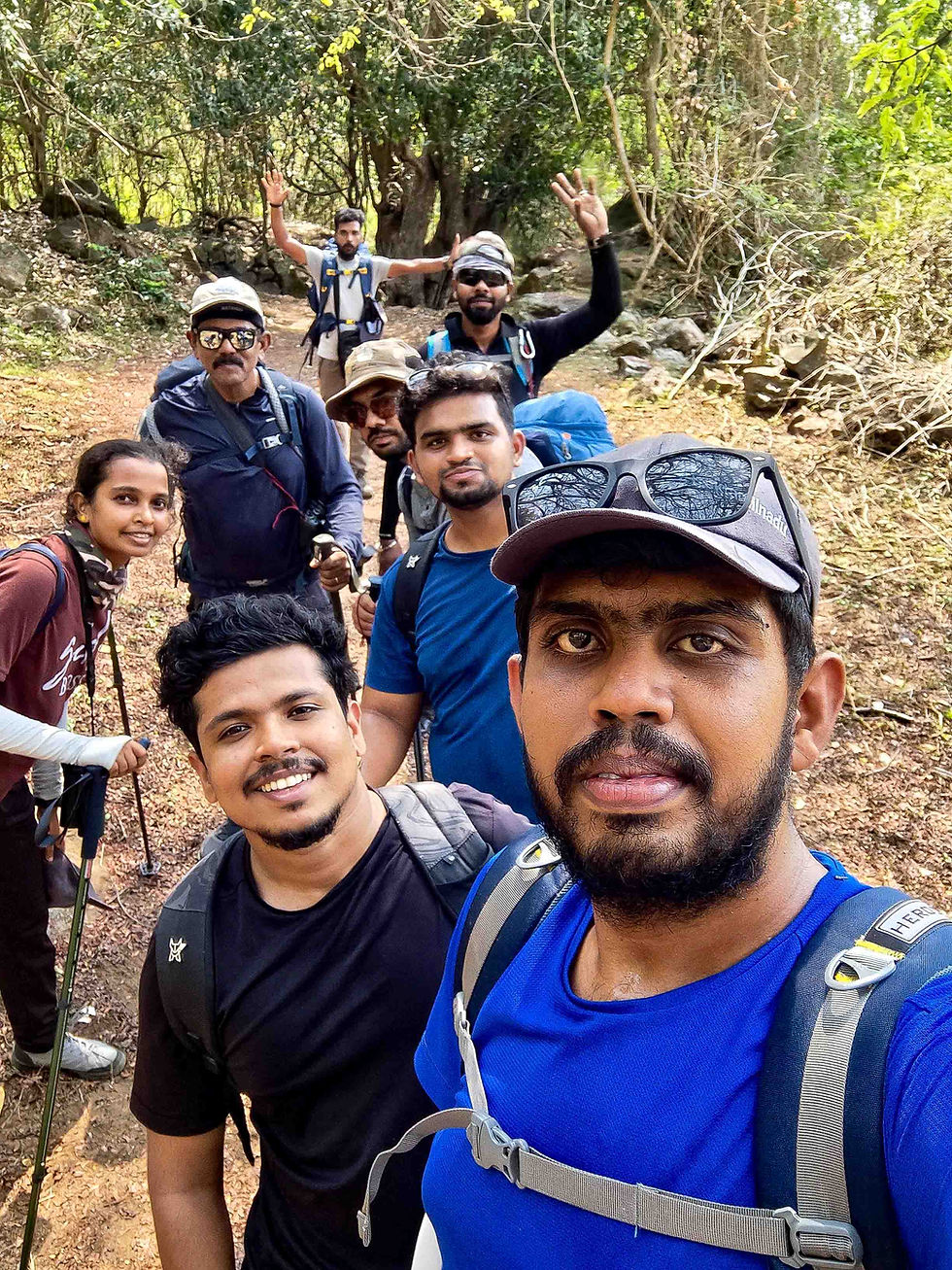
Kodaikanal reminds me of my college years. Memories of field trips to the hill town come rushing in—endless conversations with friends, walks along winding paths, and bicycle rides around the lake.
During those years, I dreamed of trekking from Kumbakarai to Kodaikanal along the old mountain trail. This steep footpath was the main route to Kodaikanal before the arrival of ghat roads connecting the Kodai hills to the plains. It was used by British officials, missionaries, traders, and locals.
Life moved on—career and responsibilities replacing those carefree days, and friends drifting away for work. But the dream stayed with me for years.

Thirty-five years later, I finally had an opportunity to attempt the trek with a few friends from Nagercoil, my present hometown.
Kumbakarai to Kodaikanal Trek
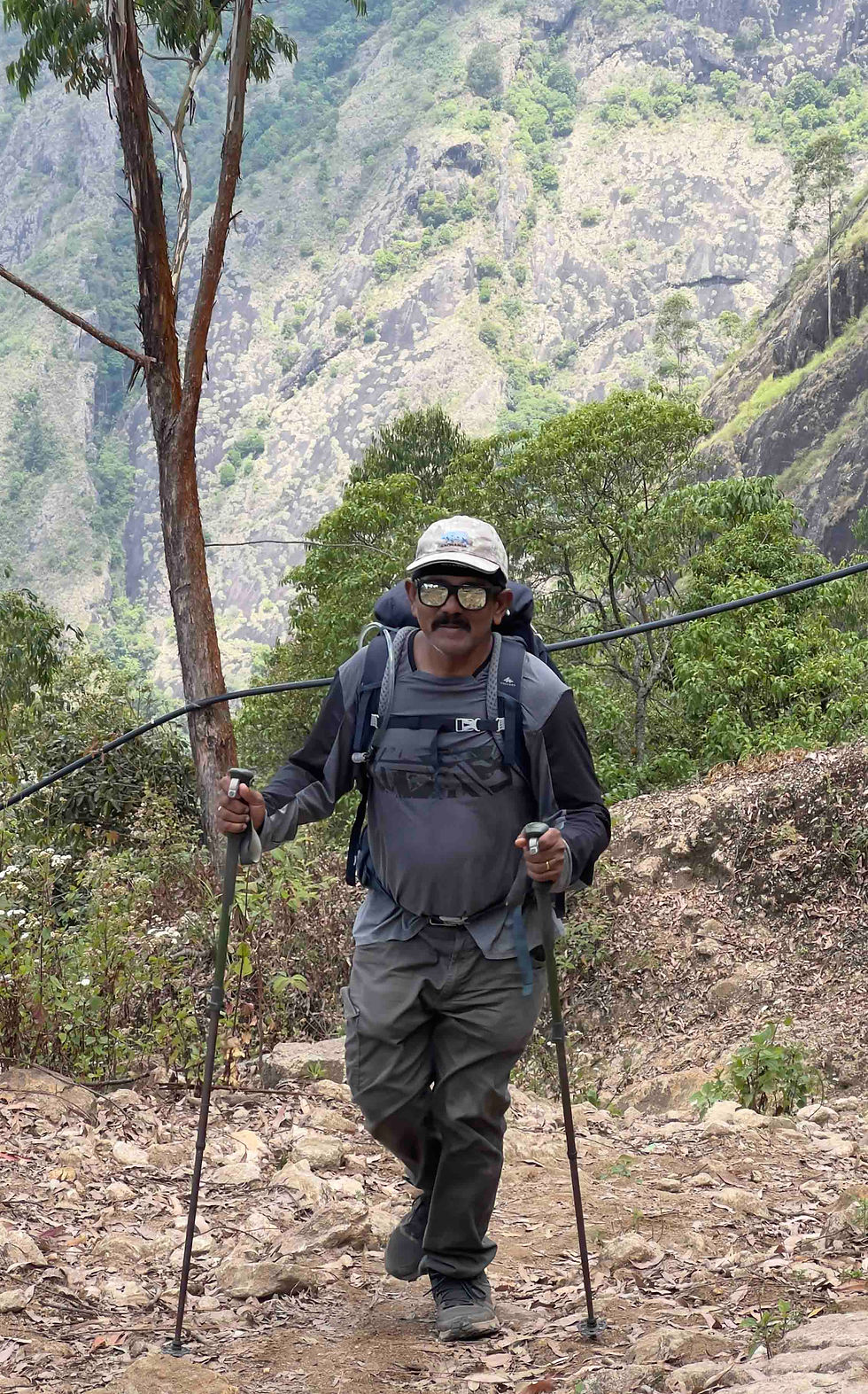
Eight of us—Swapna, Ananth, Sekar, Subash, Shibu, Jasim, Nijanth, and I—embarked on the trek with the able guidance of Trek Tamil Nadu. Despite all of them being much younger than me, our shared excitement for mountains and long walks bound us together. We planned the trek for early May, fully aware that attempting the route in peak summer would be demanding. Water would be scarce, temperatures high, and much of the route exposed to the sun. Still, I couldn’t postpone it any longer.

The plan: Start the trek at Kumbakarai Falls, climb steadily to Vellagavi village, stay overnight at Eagle Nest campsite, and continue the next day towards Dolphin’s Nose and reach Kodaikanal town (2000 metres above sea level).

Day 1 – Starting Point of the Trek: Kumbakarai Waterfall
We started from Kumbakarai Falls around 9:30 a.m. The air was already hot and humid, with the temperature rising as the sun climbed higher. The forested slopes above concealed the steep climb ahead.

The falls, known for its strong cascade, was dry, leaving a few shallow pools with exposed rocks. We were slightly disappointed, as we had hoped to bathe under the falls before the ascent.
Our guide then cautioned us—most of the natural water sources along the route had dried up, so we would need to carry extra water.

I had imagined a burbling stream flowing beside the trail. Instead, we were greeted with silence, dry rocks, and heat. From the foothills, the mountains still looked calm and inviting, with layered ridges rising one behind the other.
Trek Through the Western Ghats Forests
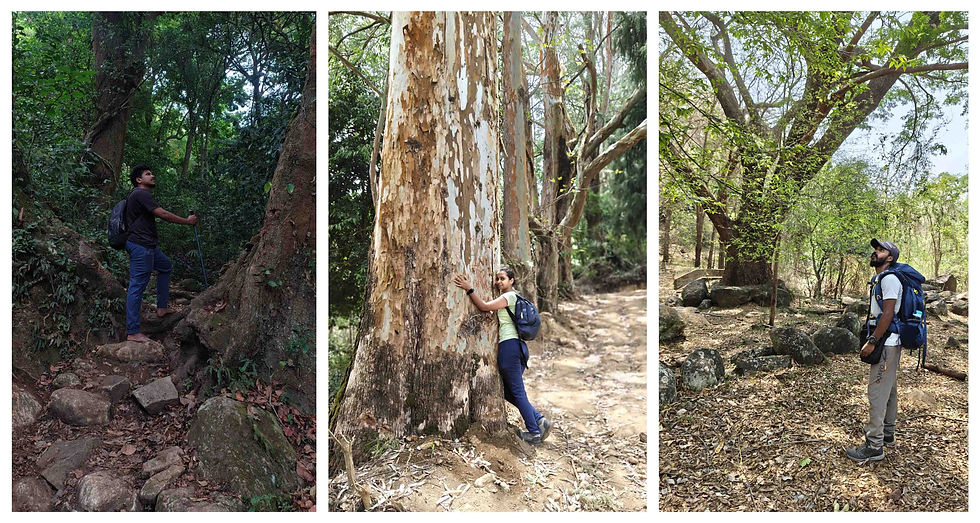
The trail wound through forest and rocky sections, alternating between shaded tree cover and exposed slopes. Soon, the heat and humidity became oppressive. More than the ascent, it was the harsh weather that slowed us down. Our clothes were drenched in sweat. And every patch of shade provided a brief respite.
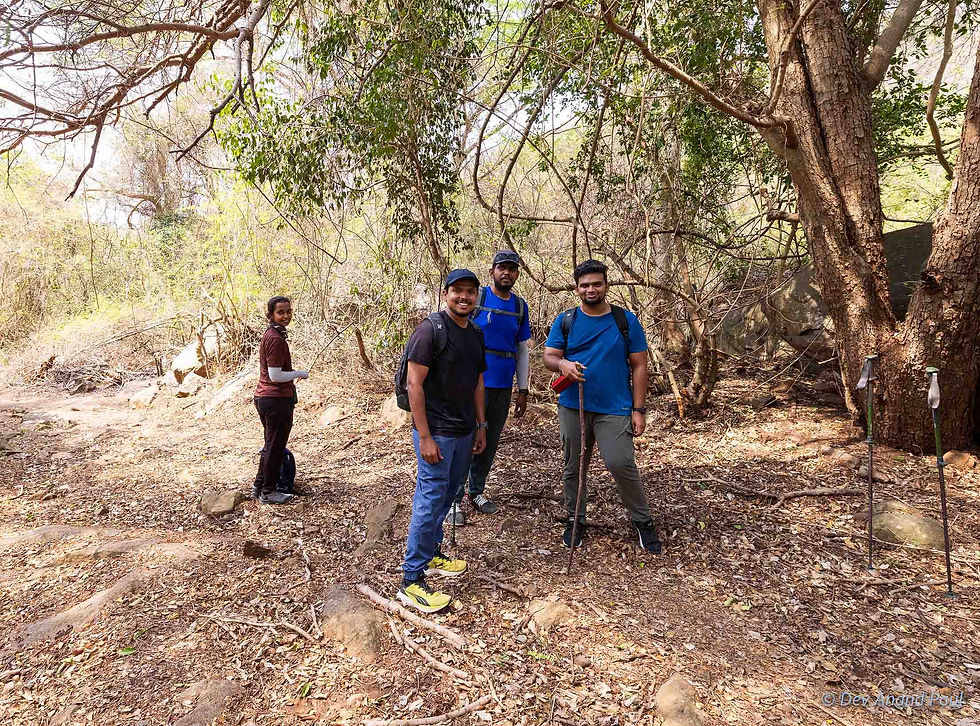
The youngsters kept up their pace even on steep stretches, while I climbed cautiously, conserving my energy. Watching them, I was reminded of how I might once have negotiated the same trail—with far less prudence.
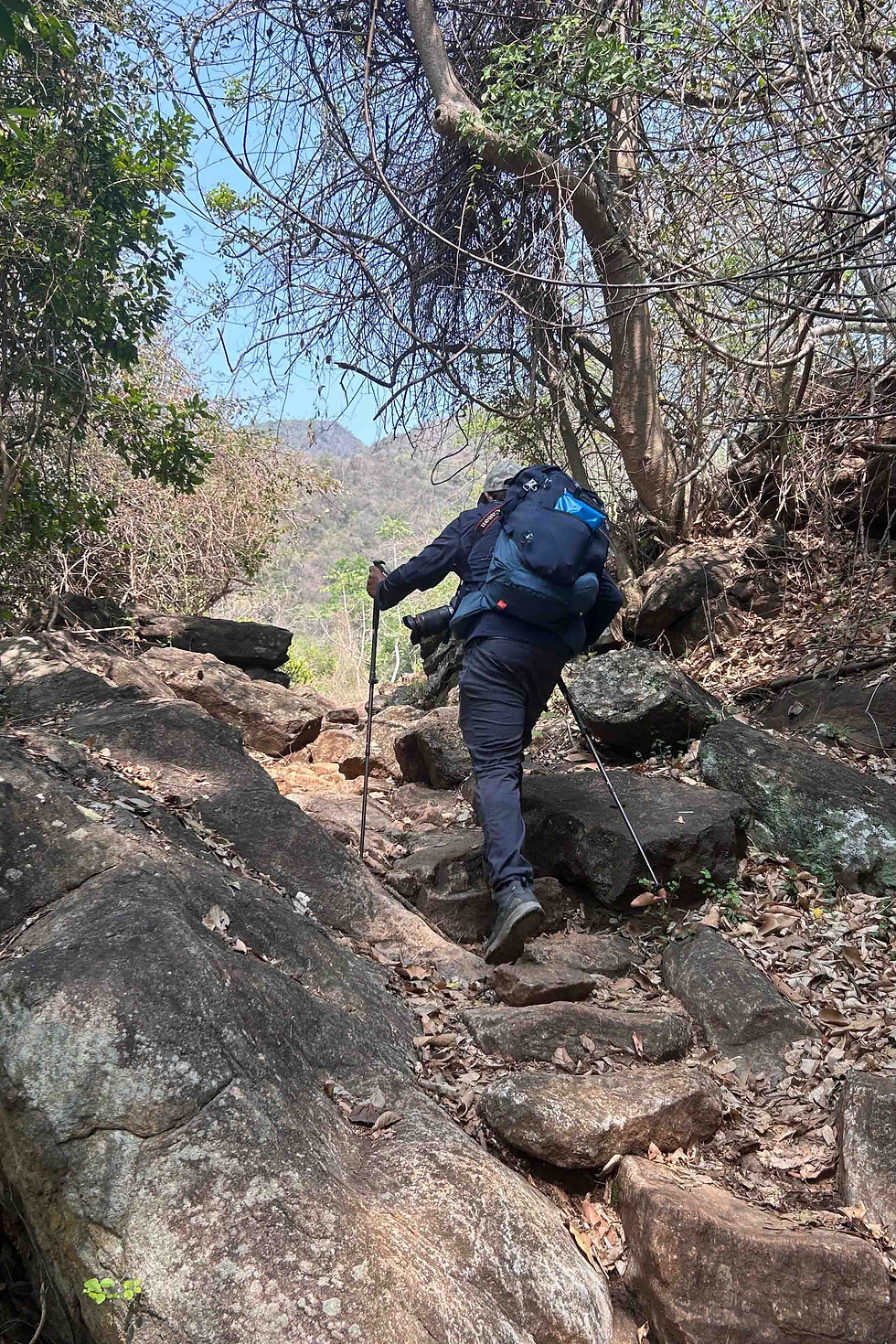
As we climbed higher, the heat and the gradient demanded more focus. We spoke only during short pauses, and even then, everyone had the same thought—how far to Vellagavi. Much of the ascent passed in silence, broken only by the sound of footsteps and occasional bird calls.

As we made our way up, memories from my college years came flooding back—old jokes, laughter, and conversations I hadn’t thought about in years. At times, it felt as if I were walking beside my friends again, their voices and laughter keeping pace with me along the trail.
Vellagavi Village
The climb eventually gave way to the first signs of settlement. After nearly five exhausting hours of trekking, we finally reached Vellagavi village. Narrow footpaths led us into the settlement.

Hidden deep within the mountains, at around 1300 metres, the village has retained much of its older architecture. With no road access, Vellagavi resembled the hill villages I had seen in my childhood—before roads and tourism changed them.
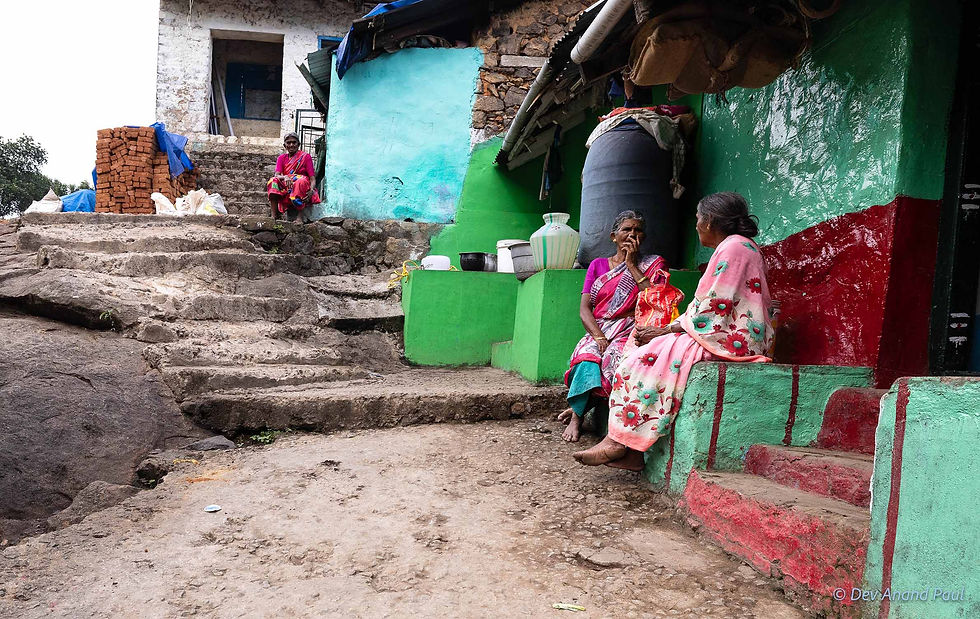
Lunch was arranged at one of the village houses: a simple meal of rice, vegetables, and curry. Despite the oppressive heat, the weather here was noticeably milder.
We saw more temples than houses in the village, and people didn’t sport footwear within its limits.

Stay at Eagle Nest Camp
After an hour’s rest at Vellagavi, we walked two more kilometres and reached Eagle Nest campsite at around 4:30 p.m. Set on a vantage point, the campsite opened to mountains on all three sides. We deposited our bags in our tents and walked to a nearby viewpoint, where we had coffee, admiring the Kodai hills around us. The sky began to shift quickly, and within minutes the weather turned—strong winds, followed by heavy rain sweeping across the hillside. We chose to get drenched; my friends broke into a dance as the rain took over.


After the rain, the temperature dropped, and the campsite slowly came alive as other trekking groups started arriving, their faces tired from the strenuous climb. Soon the campsite was filled with people and voices.


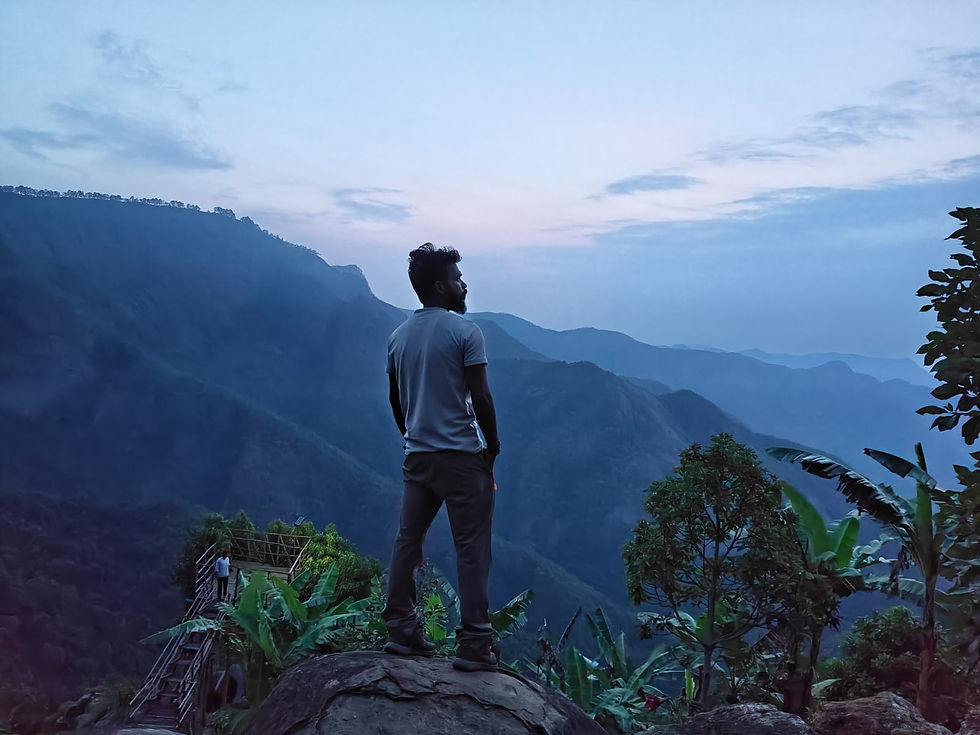
Later that night, all the trekkers gathered around a bonfire. And the conversation shifted from mountains to travel and treks across different parts of the country. A few had probably perceived me at first as an odd man out in the group owing to my age, but once I mentioned I had completed the Everest Base Camp trek, their reaction was immediate—curiosity, surprise, and respect.
The young trekkers I met are eager to visit more places—and want to cover them quickly. My desire to travel, however, is no longer about how much I can cover, but how I experience each place—slowly and with greater attention.
That night, in the stillness of the hills after a demanding day, sleep came easily.
Day 2 – Trek to Dolphin’s Nose and Kodaikanal
The morning greeted us with a clear sunrise over the hills. After breakfast, we started the final stretch towards Dolphin’s Nose. The first two kilometres were difficult in the harsh midday sun, but as elevation increased, the temperature dropped and the climb was easier.
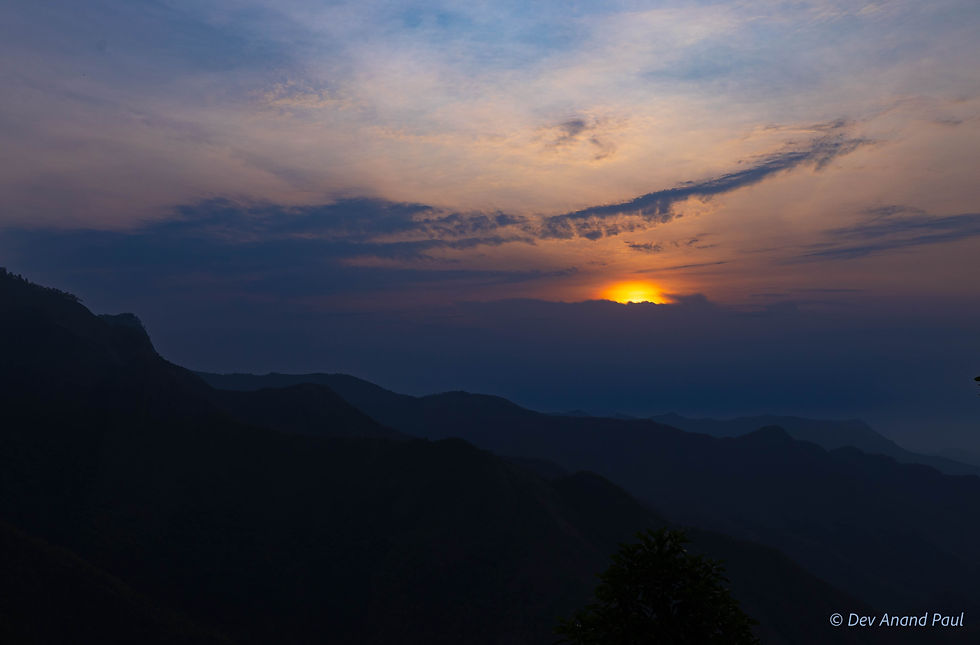

Our guide mentioned about an abortive attempt to build a ghat road connecting Kodaikanal to Vellagavi.

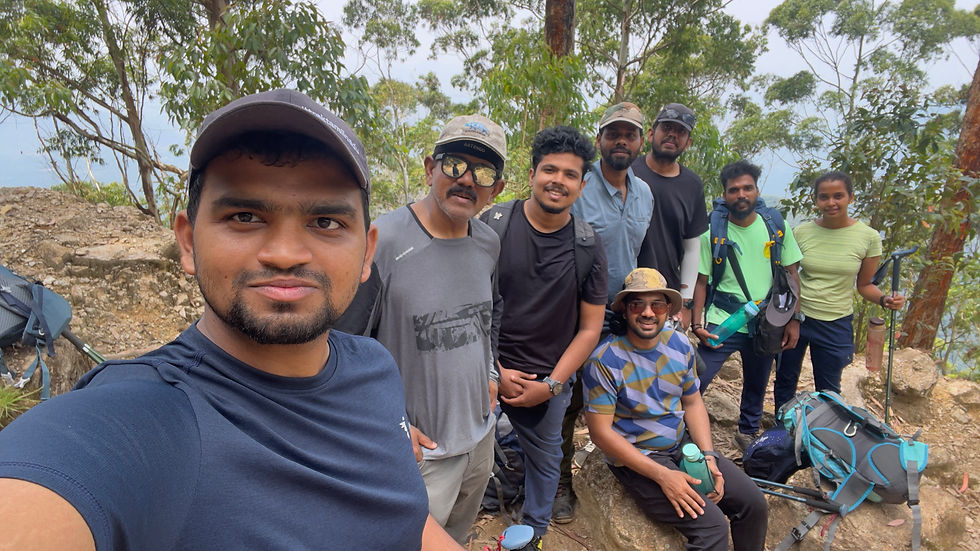
After two more hours of trekking, we reached Dolphin’s Nose around noon. Looking out over the valley, I felt a sense of completion. I thought about my decision 3 years ago to quit my high-profile job and step away from targets, schedules, deadlines, and so on. The career had made me financially comfortable, but gave me little space to pursue my passion—travel and photography. I have written about this separately (on my blog)—becoming ‘freedom rich’, a modern philosophy meaning true wealth is measured in time and autonomy rather than material possessions. This hike would have been hard to realize if I had stayed employed.
Travel Guide for the Trek from Kumbakarai Falls to Kodaikanal
Trek route
Kumbakarai Falls to Kodaikanal via Vellagavi village
How to reach Kumbakarai Falls
Located near Periyakulam town, Tamil Nadu
2–3 hours by road from Madurai city
Difficulty
Moderate
~18 km, covered in 2 days
Continuous uphill climb
Heat and humidity at lower elevations
Duration
Day 1: Kumbakarai to Vellagavi, then to campsite
Day 2: Vellagavi to Dolphin’s Nose, then to Kodaikanal Lake
Things to carry
3 litres of potable water
Light clothing + a warm layer
Cap, sunscreen, and sunglasses
Basic medicines
Torch or headlamp
Trekking shoes
Safety
Trek organized by Trek Tamil Nadu, a state government initiative
Experienced guides
Stick to the group and follow marked paths
Best time to visit
November to February (ideal)
Summer—possible but demanding
Beginner Suitability
Suitable for people with basic fitness
Trek not technical but physically demanding
Related posts:
The Battle of Colachel: How a South Indian Kingdom Defeated the Dutch
My Son Sanctuary: The Cham Temples of Vietnam and Their Indian Connection
The Silk Road Explained: History, Trade Routes, and Cities of Uzbekistan
The Story of Indian Coins: 2600 Years of Wealth, Power, Trade, and Culture
Bhutan Postage Stamps: How a Small Kingdom Revolutionized Global Philately


Thank you, sir, for giving such a comprehensive overview of the trek. I’m planning to take up the trek and had a couple of doubts. Could you please help me with them?
Do we need an additional medical certificate from a doctor, or is signing the declaration form on the website sufficient?
Between the eagle nest and Old Kodai camping which one would you recommend?
Great sir.. i treked it again virtually. More and more strength to you sir !!
Superb! Congratulations on completing this from your wish list!