
Summer Birding in Kashmir: Searching for Himalayan Birds in the Kashmir Valley

‘Let’s do birding in Kashmir this summer,’ my friend Rajashekar Meti said over the phone.
For someone living in Nagercoil, at India’s southern tip, travelling to Kashmir for birding is no small undertaking. Reaching Srinagar usually means an overnight journey, connecting flights, and long layovers, leaving the person exhausted even before they start birding.

Despite my initial reluctance, I agreed to the trip because around ten bird species I had long wanted to see could be found in Kashmir:
1. Kashmir flycatcher
2. Little bittern
3. Spectacled finch
4. White-winged grosbeak
5. Black-and-yellow grosbeak
6. White-bellied redstart
7. Tytler’s leaf warbler
8. European bee-eater
9. White-capped bunting
10. Hodgson’s treecreeper
The opportunity to see several Himalayan specialities in a single trip was reason enough for me to go.

Arrival at Srinagar
I arrived at Srinagar Airport early one morning after a sleepless night. After a short while, my friend Rajashekar and fellow birders Dr. Shishir Kumar, Urmila Ghanekar, and her husband, Anand Ghanekar, joined me. Together we drove to our hotel, where our trip organiser and guide Dilip C. Gupta welcomed us. After a 2-hour sleep, we were ready for birding.

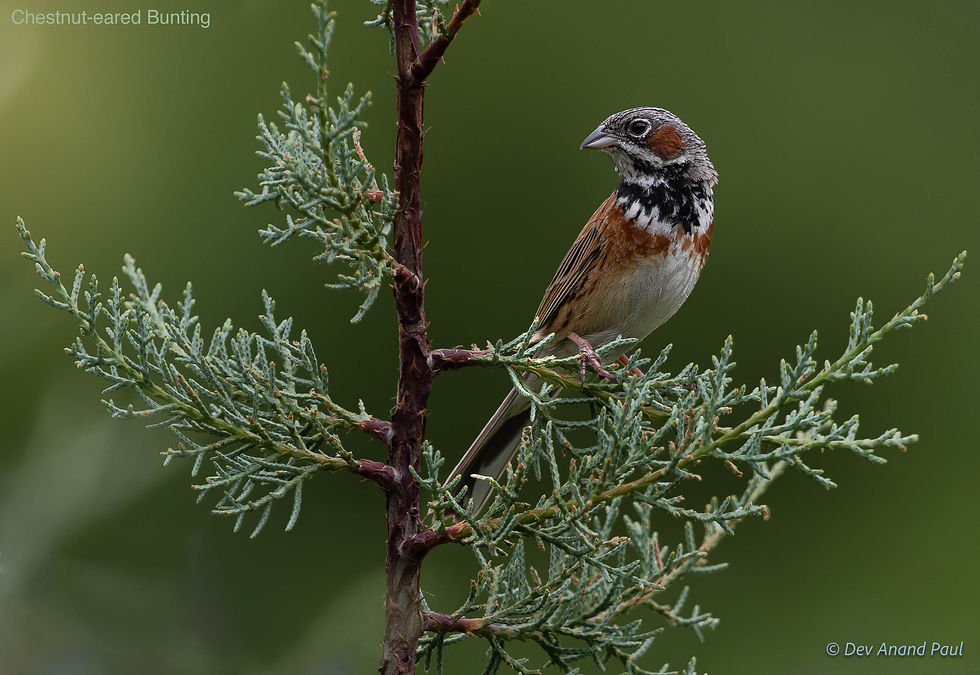
Our first stop was the Botanical Garden, where we spotted a chestnut-eared bunting, the first bird on my Kashmir checklist.
We then drove to the SKUAST campus. The manicured gardens soon gave way to rocky terrain, sandy embankments, and scattered scrub, an ideal habitat for the European bee-eater. We found a sandy bank overlooking a track. The bank was riddled with nesting burrows. We climbed to a higher vantage point and waited.

Within minutes, European bee-eaters emerged from their burrows, launched into the air with effortless precision in pursuit of dragonflies and other insects, and returned to nearby perches with their prey. The larger prey was repeatedly beaten against a branch before it was swallowed.

After spending nearly 45 minutes with the bee-eaters, we moved to a nearby rocky slope in search of the white-capped bunting. Finding the bird demanded patience. The rocky hillside appeared lifeless at first; several minutes passed without any sign of movement. Then a white-capped bunting hopped onto an exposed shrub just a few metres away. It paused briefly before dropping to the ground to feed amidst the grasses and scattered rocks.

Having found two birds from my wish list on the very first evening, we returned to the hotel. Our destination the following morning was Anantnag.
Birding in Anantnag Forests
We left the hotel at 4 a.m. and reached the forests of Anantnag around 6 a.m. Dark clouds had gathered over the mountains. For a while, it looked as though rain would play spoilsport, but within half hour the clouds dispersed and sunlight filtered through the pines.
We had barely started along the trail when a white-bellied redstart caught our attention. Perched on a low bush, it dropped to the ground to catch insects and returned to the same perch, repeating the action several times, flicking its tail between each short hunting flight.


The trail climbed gently through the forest. We paced slowly, scanning the shrubs on either side. Soon we saw a pair of spectacled finches moving between branches and then landing on the ground to feed.

As the morning progressed, western crowned warblers moved through the pines, and rosefinches, orange bullfinches, and buntings appeared at regular intervals. High above us, two black-and-yellow grosbeaks were feeding amidst the pine cones.


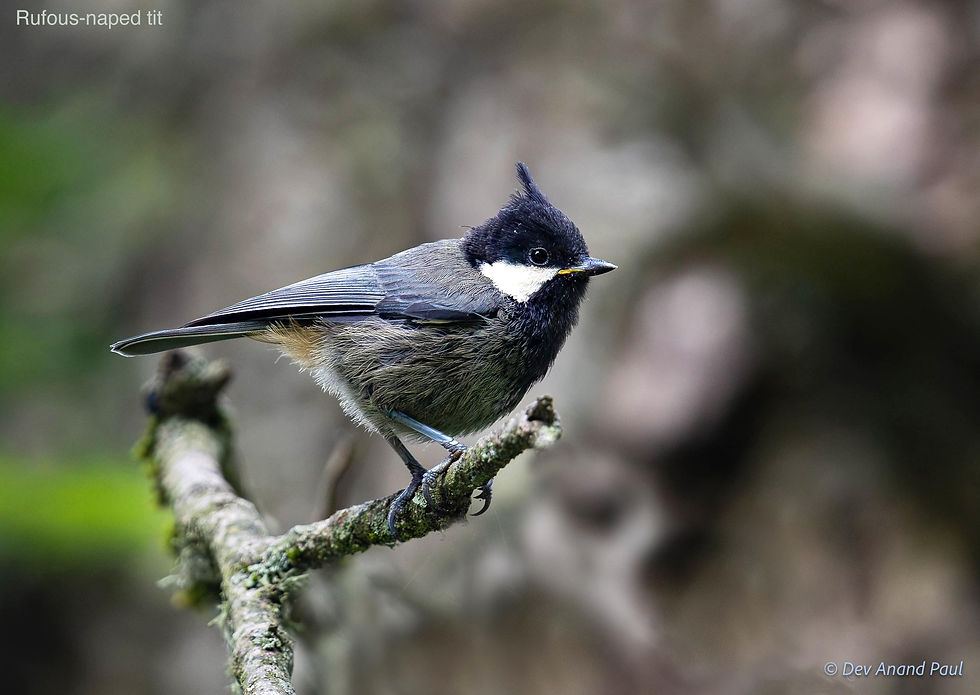
After breakfast, we headed farther into the forest and spotted more birds: a white-cheeked nuthatch working methodically along a pine tree trunk, mixed flocks of rufous-naped tits and coal tits moving through the surrounding trees, a Himalayan buzzard circling overhead, a tawny owl roosting among the pines. The Kashmir nutcracker never showed up.



Just as we were about to head back, a white-winged grosbeak landed near a wooden platform a short distance away and remained in the open for several minutes before vanishing into the forest.

By midday, I had ticked off four birds in my list.
eBird to Track Bird Sightings
eBird is a global online platform developed by the Cornell Lab of Ornithology where birders record their observations. Besides serving as a personal birding log, the platform is a repository of millions of checklists submitted by birders worldwide, which help researchers monitor bird distribution, migration, and long-term population trends.
Although I have been birding since 2009, I started using eBird only from 2023. Before that I relied on Excel sheets to maintain my birding records. I spent weeks revisiting old trip reports and photographs to incorporate my data in eBird prior to 2023.
Now, thanks to eBird, I have a complete record of the places I have travelled, the species I have recorded, and the birds still missing from my life list. The platform is also an invaluable tool for planning birding trips, as it shows me the regions I am yet to cover.
When I updated my morning checklist in Anantnag, eBird pointed out that the white-bellied redstart was my 1000th bird recorded in India. The milestone, although personally satisfying, also reflected years spent exploring India’s forests, wetlands, mountains, deserts, and grasslands in search of birds.
Birding in Rajparian Wildlife Sanctuary
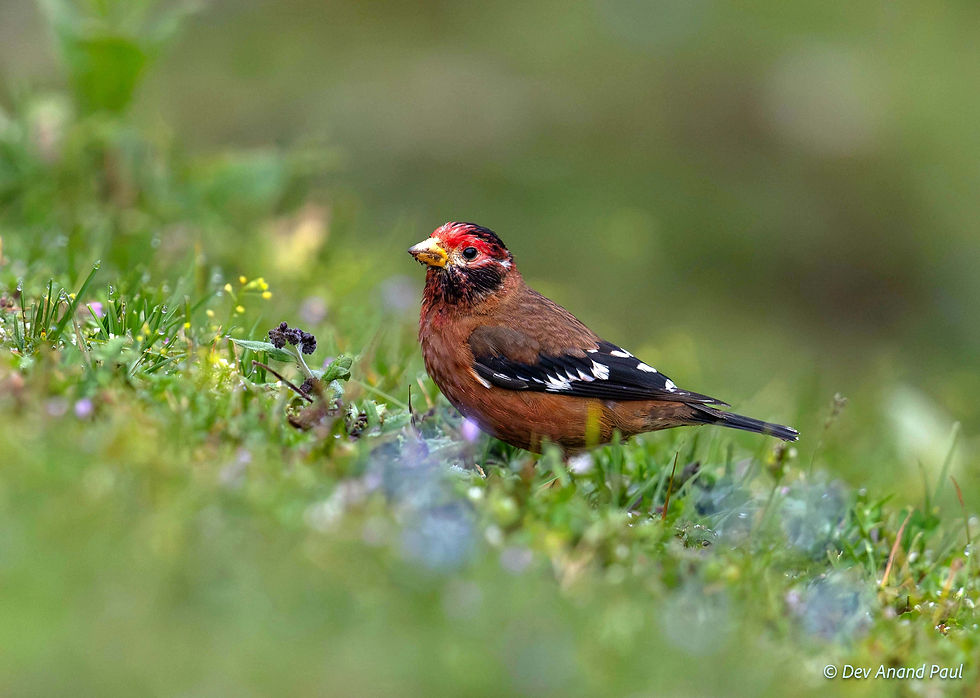
Afternoon we visited Rajparian Wildlife Sanctuary. Its open meadows and scattered woodland marked a change from the pine forests around Anantnag. We saw a flock of grey-crowned goldfinches clinging to the slender stems of some seed-bearing plants, extracting the seeds. Elsewhere in the sanctuary, we encountered the greenish warbler, ultramarine flycatcher, yellow-billed blue magpie, grey bushchat, and common hoopoe.


As the light began to fade, we returned to the hotel.
Birding in Chatlam Wetland
The next morning we left for Chatlam Wetland. Before reaching the marsh, Dilip stopped beside a fast-flowing mountain stream, hoping to find another Himalayan speciality—the ibisbill. And we did!
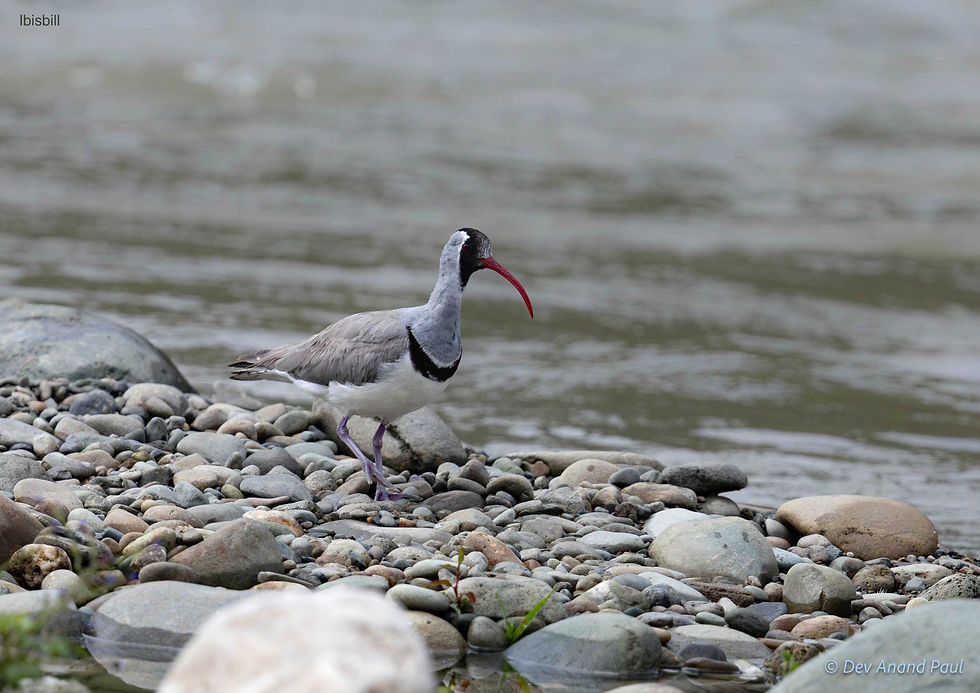
Ibisbills sport a grey plumage that blends almost perfectly with the surrounding rocks and makes them difficult to spot against the stream; however, soon five of them came into view. They walked through the shallow water, probing between stones with their long, downcurved bills in search of aquatic invertebrates. We also found, before driving on to Chatlam, Eurasian jackdaws, a plumbeous redstart, and a red-wattled lapwing.
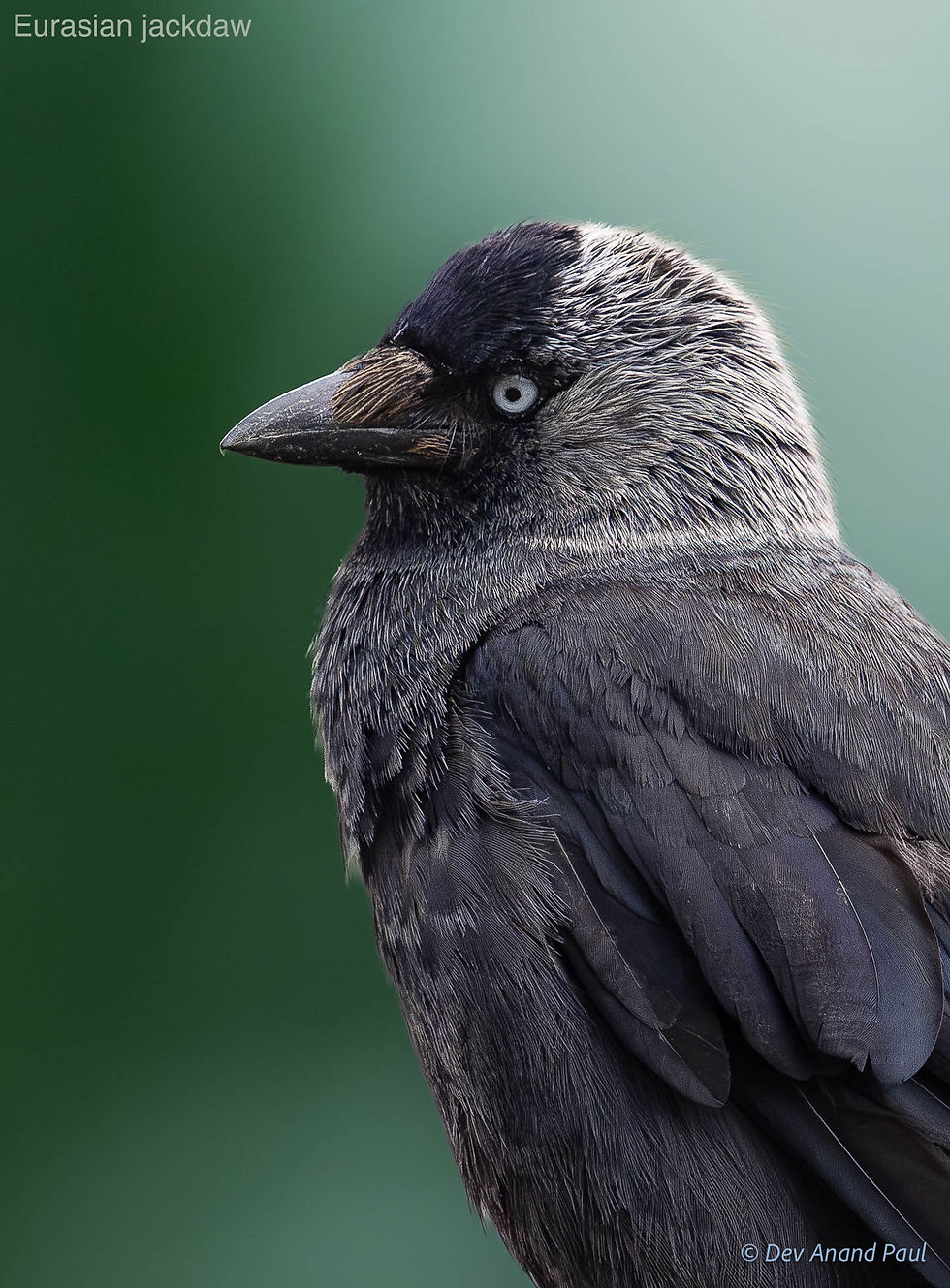
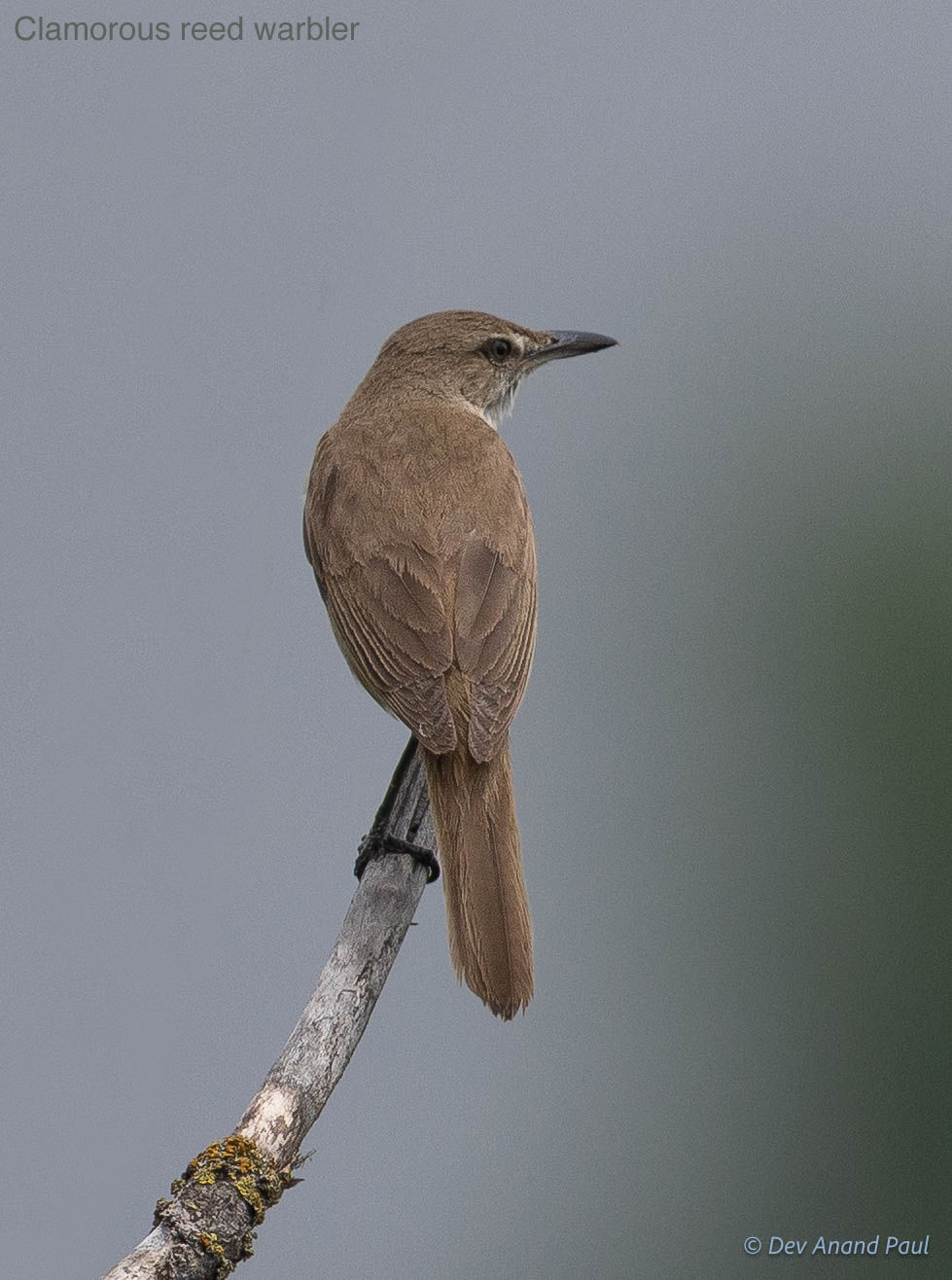
When we reached Chatlam, our local guide, Ansar, was waiting. As we drove, we saw dense reed beds stretched across the marsh. They concealed much of the birdlife. We had barely reached the reed beds when loud calls of a clamorous reed warbler echoed from deep within the reeds
Little bittern was the bird we had come to find. We waited quietly along the edge of the reeds until a slight movement caught our attention. A little bittern cautiously emerged from cover, froze whenever it sensed movement, and then decided to take slow, deliberate steps through the vegetation in search of prey.


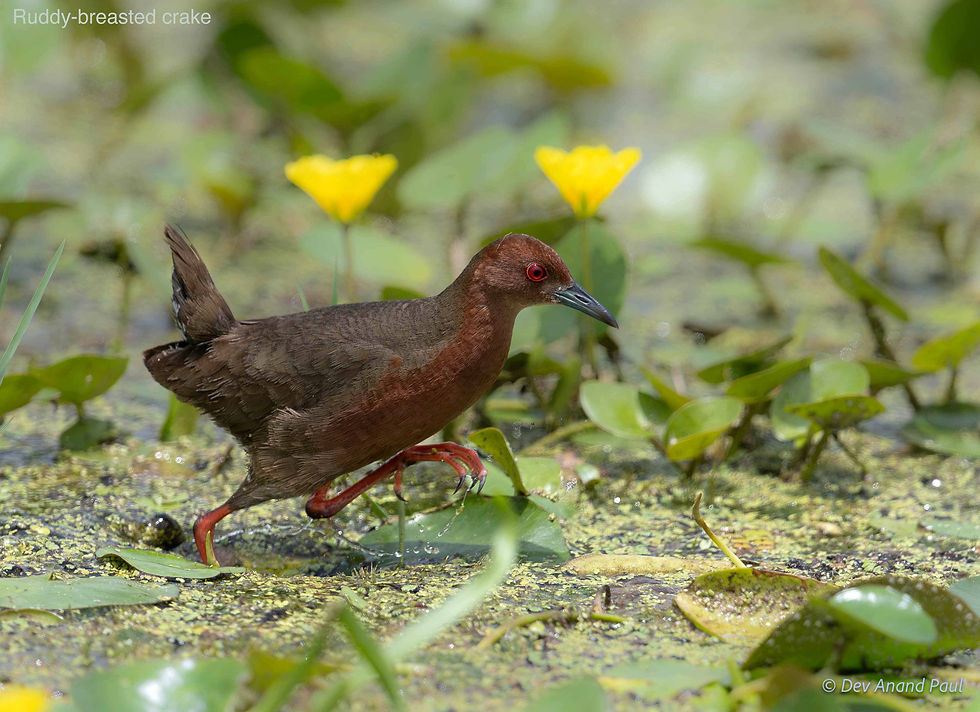
Whiskered terns repeatedly plunged into water for insects and small fish, while mallards, grebes, Eurasian coots, common kingfishers, and a pair of ruddy-breasted crakes occupied the open water and floating vegetation.

We lunched in Srinagar and spent the evening on Shankaracharya Hill, looking for the Kashmir flycatcher. Despite our long search, the bird never showed up.
Birding in Gulmarg
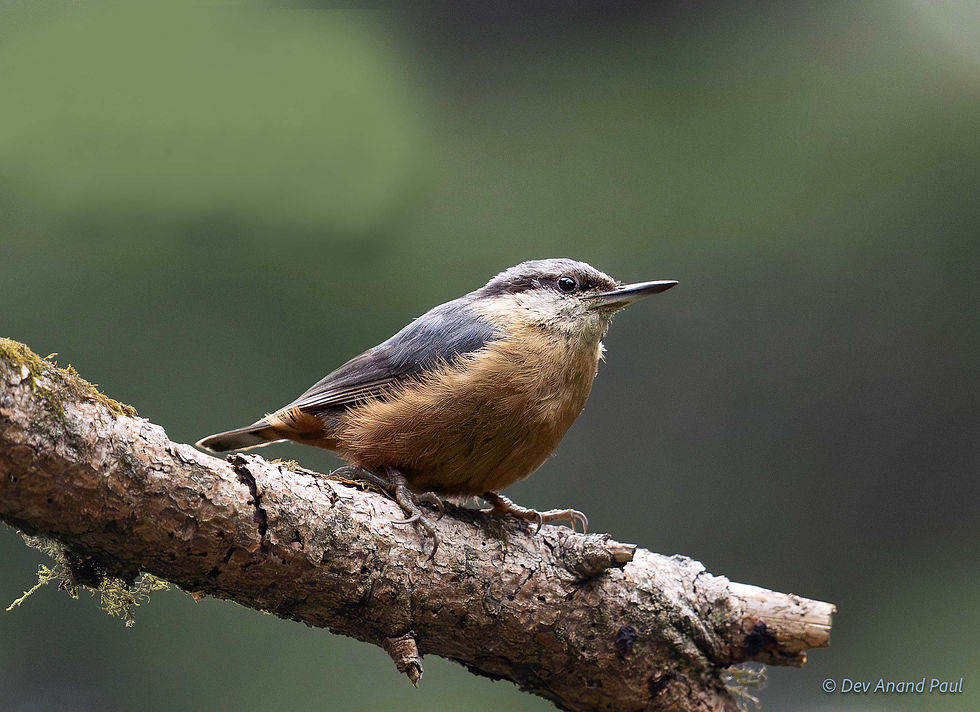
The following morning we drove to Gulmarg in search of Hodgson’s treecreeper. The conifer forest looked ideal, and we worked our way slowly through the rocky slopes, scanning tree trunks and larger branches. Despite several hours of searching, we couldn’t find the treecreeper. We spotted other birds, however: Kashmir nuthatches were moving along moss-covered trunks, Indian blue robin stayed close to the forest floor, and variegated laughingthrushes were calling from the undergrowth.
A faint movement high in the canopy caught my attention: A Tytler’s leaf warbler was working its way through the foliage, rarely remaining on the same branch for more than a few seconds. I followed it from tree to tree until it paused on an exposed perch before slipping back into the canopy.


That afternoon we returned to Shankaracharya Hill for another attempt at the Kashmir flycatcher, but for the second consecutive day, we couldn’t see it.
Birding in Baramulla
By now the Kashmir flycatcher had become our immediate priority. After two unsuccessful attempts at Shankaracharya Hill, Ansar suggested trying another location near Baramulla, more than two hours from Srinagar. We drove through villages, paddy fields, and sprawling apple orchards before reaching a quiet pine forest where the flycatchers had recently been reported.

Unlike our previous attempts, we had barely entered the forest when Ansar stopped and pointed towards the lower branches of a tree: A Kashmir flycatcher appeared briefly and retreated into the woodland, only to return minutes later; it moved through the lower branches and then paused in the open for several minutes before vanishing among the pines.
The Kashmir flycatcher finally revealed itself.

Birding Challenges in Kashmir
Birding in Kashmir comes with its own challenges. Many forest areas have restricted access, and our guides had to obtain special permission to visit several birding sites. Also, carrying a large telephoto lens attracted unwanted attention; more than once, security personnel looked suspiciously at my ‘bazooka’ lens, and I had to explain it was just a camera.
I returned home happy, having sighted nine of the ten birds on my target list—Hodgson’s treecreeper being the only bird I missed.
Related posts:
Birding in Dosdewa, Karimganj: A Hidden Birdwatching Destination in Assam
Wildlife and Birding in Manas and Royal Manas National Parks
Kaziranga National Park Safari Experience: Rhinos, Tigers, Elephants, and Birding in Assam
An Encounter with the Great Argus in Taman Negara National Park
Monsoon Birding Tales from Bhigwan


Comments